
Did you know that over 37 million Americans live with diabetes? Managing blood sugar levels is a daily challenge for many, and diet plays a crucial role. One fruit that often sparks debate is muskmelon. Its sweet taste and refreshing nature make it a summer favorite, but is it a good choice for those monitoring their health?
Muskmelon has a medium glycemic index (GI 65) and a low glycemic load (GL 4), which means it may not cause a rapid spike in blood sugar levels. However, its suitability for diabetes management remains a topic of discussion. In this article, I’ll explore the scientific evidence and expert opinions to help you make an informed decision.
We’ll dive into its nutritional profile, its impact on blood sugar, and how to enjoy it in moderation. Whether you’re a fan of this juicy fruit or just curious, this guide will provide clarity.
Contents
- 1 Introduction to Muskmelon and Diabetes
- 2 What is Muskmelon?
- 3 Nutritional Value of Muskmelon
- 4 Glycemic Index of Muskmelon
- 5 How Muskmelon Affects Blood Sugar Levels
- 6 Benefits of Muskmelon for Diabetes Management
- 7 Practical Tips for Including Muskmelon in a Diabetic Diet
- 8 Potential Risks and Considerations
- 9 Expert Opinions on Muskmelon and Diabetes
- 10 Conclusion
- 11 FAQ
- 11.1 Can I eat muskmelon if I have diabetes?
- 11.2 How does muskmelon affect my blood sugar?
- 11.3 What nutrients in muskmelon are beneficial for diabetes?
- 11.4 How much muskmelon can I safely eat?
- 11.5 Are there any risks to eating muskmelon with diabetes?
- 11.6 Can muskmelon help with weight management?
- 11.7 What’s the best way to include muskmelon in my diet?
Key Takeaways
- Muskmelon has a medium glycemic index (GI 65) and low glycemic load (GL 4).
- It’s a popular summer fruit with significant nutritional benefits.
- Managing portion size is key for those monitoring blood sugar levels.
- Scientific evidence and expert opinions will be explored in detail.
- This article covers its nutritional profile, blood sugar impact, and portion guidelines.
Introduction to Muskmelon and Diabetes
When managing blood sugar, choosing the right fruits is essential. Fruits like muskmelon, also called cantaloupe melon, are part of the Cucurbitaceae family. They are known for their sweet, juicy flesh and cooling properties, making them a popular choice globally.
Muskmelon is packed with nutrients like vitamins A and C, potassium, and fiber. These nutrients play a vital role in supporting overall health. For those monitoring their blood sugar, understanding the nutritional profile of fruits is crucial.
According to USDA data, a 100g serving of muskmelon contains just 38 calories and 8.16g of carbs. This makes it a light and refreshing option for those watching their calorie intake. Additionally, its bioactive compounds, such as polyphenols, have been linked to potential antidiabetic properties.
Here’s a quick look at the nutritional content of muskmelon:
| Nutrient | Amount per 100g |
|---|---|
| Calories | 38 kcal |
| Carbohydrates | 8.16g |
| Fiber | 0.9g |
| Vitamin A | 3382 IU |
| Vitamin C | 36.7mg |
The fiber and high water content in muskmelon can help regulate blood sugar levels. Fiber slows down digestion, preventing sudden spikes, while water keeps you hydrated and supports metabolic processes.
“Incorporating fruits like muskmelon into a balanced diet can offer both nutritional benefits and a refreshing taste.”
In the next sections, I’ll dive deeper into how muskmelon’s glycemic index and nutrient profile can impact blood sugar management. Stay tuned for practical tips on enjoying this fruit while maintaining a healthy lifestyle.
What is Muskmelon?
Muskmelon, a summer favorite, has a rich history and diverse uses. Often confused with cantaloupe, this fruit is part of the Cucurbitaceae family. Its scientific name, Cucumis melo, reflects its botanical classification. While cantaloupe is a type of muskmelon, not all muskmelons are cantaloupes. This distinction is important for understanding its varieties.
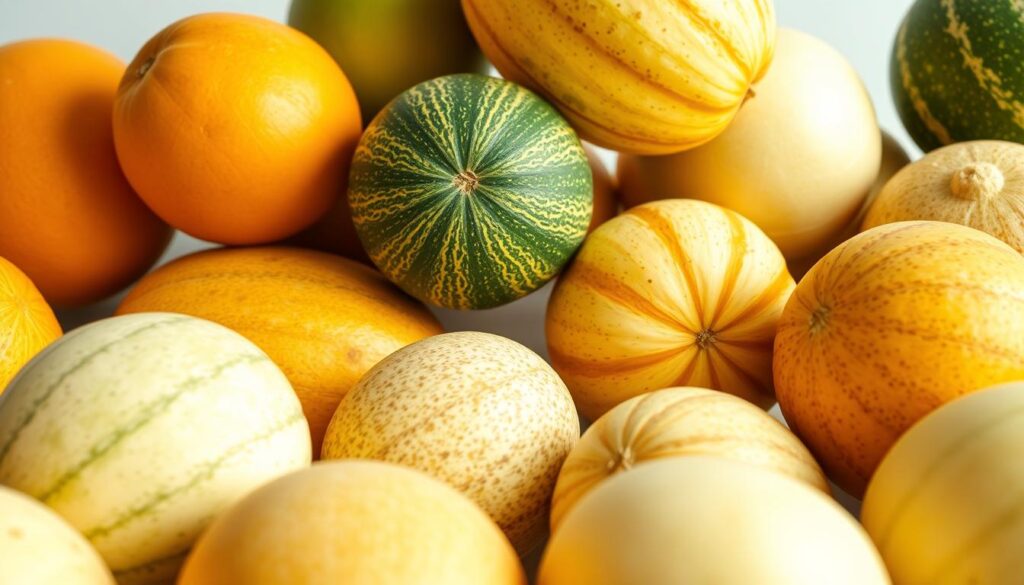
Globally, muskmelon comes in many forms. From the netted rind of cantaloupe to the smooth skin of honeydew, each variety offers unique flavors and textures. Historically, this fruit has been used in traditional medicine to reduce inflammation. Its cooling properties make it a popular choice in hot climates.
One of the standout features of muskmelon is its high water content. At 90% water, it’s incredibly hydrating and low in calories. This makes it a refreshing snack for those watching their calorie intake. Its versatility extends beyond snacks, as it’s used in both savory dishes and desserts worldwide.
| Feature | Details |
|---|---|
| Water Content | 90% |
| Calories per 100g | 38 kcal |
| Botanical Name | Cucumis melo |
| Common Varieties | Cantaloupe, Honeydew |
Whether enjoyed fresh, in salads, or as a dessert, muskmelon’s sweet flavor and nutritional benefits make it a global favorite. Its role in traditional medicine and modern cuisine highlights its enduring appeal.
Nutritional Value of Muskmelon
Understanding the nutritional value of fruits can help make better dietary choices. Muskmelon is a nutrient-dense fruit that offers a variety of health benefits. Let’s break down its key components to see why it’s a smart addition to your diet.
Key Nutrients in Muskmelon
Muskmelon is rich in essential vitamins and minerals. A 100g serving provides 10.9mg of vitamin C, which supports immunity and skin health. It also contains 157mg of potassium, crucial for regulating blood pressure. Additionally, it’s packed with 2780µg of beta-carotene, an antioxidant that promotes eye health.
The fruit’s high water content (90%) makes it hydrating and low in calories. Its fiber content aids digestion and helps maintain stable blood sugar levels. These nutrients make muskmelon a refreshing and nutritious choice.
Caloric and Carbohydrate Content
Muskmelon is light on calories, with just 38 kcal per 100g. Its macronutrient breakdown includes 8.16g of carbs, 0.82g of protein, and 0.2g of fat. This makes it a low-calorie option compared to fruits like apples, which have 52 kcal per 100g.
Here’s a detailed look at its nutritional value:
| Nutrient | Amount per 100g |
|---|---|
| Calories | 38 kcal |
| Carbohydrates | 8.16g |
| Protein | 0.82g |
| Fat | 0.2g |
| Vitamin C | 10.9mg |
| Potassium | 157mg |
| Beta-Carotene | 2780µg |
Muskmelon’s combination of fiber, vitamins, and antioxidants makes it a standout fruit for overall health. Its low calorie and carb content also make it a great option for those watching their intake.
Glycemic Index of Muskmelon
Understanding how fruits affect blood sugar levels starts with knowing their glycemic index. The glycemic index (GI) measures how quickly a food raises blood sugar. It’s divided into three categories: low (0-55), medium (56-69), and high (70+).
Muskmelon has a moderate GI of 65, placing it in the medium range. This means it’s less likely to cause a rapid spike in blood sugar compared to high-GI fruits like watermelon, which has a GI of 72. However, the glycemic load (GL) provides a more accurate picture of its impact.
Glycemic load considers both the GI and the amount of carbs in a serving. Muskmelon has a low GL of 4 due to its low net carbs. This makes it a better choice for those monitoring their blood sugar levels.
Here’s a quick comparison of GI values for common fruits:
| Fruit | Glycemic Index |
|---|---|
| Muskmelon | 65 |
| Watermelon | 72 |
| Apple | 36 |
Despite its moderate GI, portion control is key. Studies show that consuming muskmelon in proper serving sizes results in minimal glucose spikes. This makes it a safe and refreshing option when enjoyed in moderation.
- Muskmelon’s GI of 65 is in the medium range.
- Its low GL of 4 makes it a better choice for blood sugar management.
- Portion control is essential to avoid spikes.
By understanding the glycemic index and glycemic load, you can make informed decisions about including muskmelon in your diet.
How Muskmelon Affects Blood Sugar Levels
The way certain fruits impact your body can vary widely. For those monitoring their blood sugar levels, understanding how muskmelon works is essential. Its fiber content plays a key role in slowing down digestion, which helps prevent sudden spikes in glucose.
With 0.9g of fiber per 100g, muskmelon aids in the gradual absorption of carbohydrates. This slow digestion process ensures that your blood sugar levels remain stable after eating. Clinical trials have shown that consuming this fruit in moderation can lead to consistent post-meal glucose trends.
However, overconsumption can be risky. Eating more than one cup at a time may cause a spike in blood sugar levels. To balance this, pairing muskmelon with protein-rich foods like Greek yogurt is a smart move. This combination helps maintain steady energy levels and prevents sudden glucose fluctuations.
Studies using continuous glucose monitoring (CGM) from Fitterfly’s research highlight the importance of portion control. Here’s a quick guide to help you enjoy muskmelon responsibly:
| Factor | Recommendation |
|---|---|
| Portion Size | 1 cup (approx. 150g) |
| Pairing | Greek yogurt or nuts |
| Frequency | 2-3 times per week |
By understanding its glycemic load and pairing it wisely, you can enjoy muskmelon without worrying about your blood sugar levels. Moderation and balance are the keys to making it a healthy part of your diet.
Benefits of Muskmelon for Diabetes Management
Managing health conditions often starts with smart food choices. One fruit that stands out for its benefits is muskmelon. Packed with essential nutrients, it can support overall wellness when consumed in moderation.

Rich in Fiber
Muskmelon is a great source of dietary fiber. Fiber helps promote satiety, reducing the urge to overeat. It also slows down digestion, which can help maintain stable blood sugar levels. This makes it a smart choice for those monitoring their health.
High Water Content
With 90% high water content, muskmelon is incredibly hydrating. Proper hydration is essential for kidney function, especially for those managing health conditions. Staying hydrated also supports metabolism and overall well-being.
Additionally, muskmelon contains potassium, which helps counteract sodium-induced blood pressure issues. This mineral plays a key role in maintaining cardiovascular health. Its antioxidants, like vitamin C, also reduce oxidative stress caused by high blood sugar levels.
“Incorporating muskmelon into my diet has helped me feel more energized and in control of my health.” – DiabeSmart User
By understanding these benefits, you can make muskmelon a part of your balanced diet. Its combination of fiber, hydration, and essential nutrients makes it a refreshing and health-supportive choice.
Practical Tips for Including Muskmelon in a Diabetic Diet
Incorporating muskmelon into your meals can be both tasty and beneficial. For those managing their health, it’s important to focus on portion control and timing. A daily limit of 1 cup (120g) is ideal to avoid spikes in blood sugar levels. Avoid adding salt or sugar to keep it healthy.
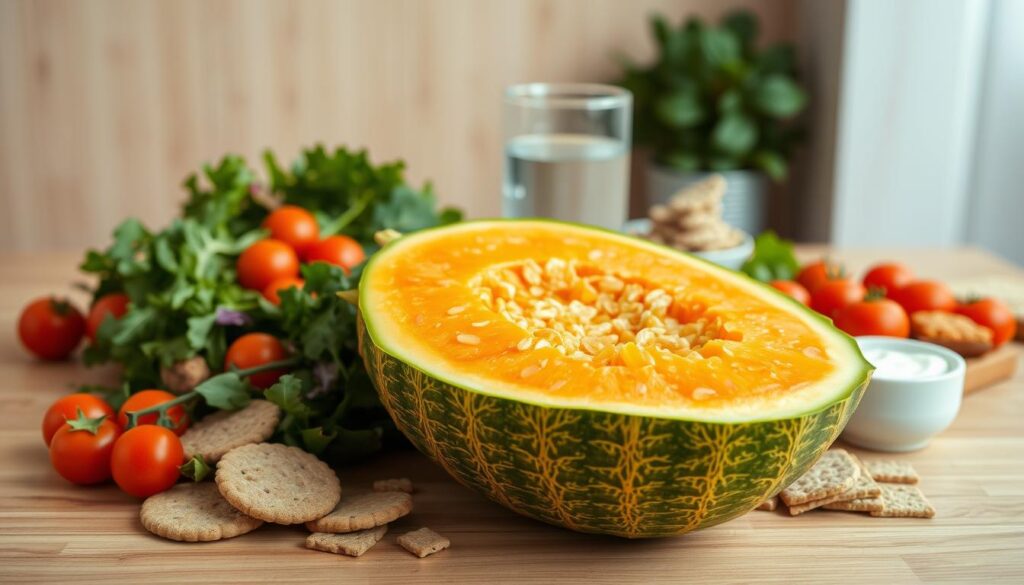
Morning is the best time to enjoy muskmelon. Consuming it early helps optimize metabolism and energy levels throughout the day. Pair it with protein-rich foods like Greek yogurt or nuts for a balanced snack.
Here are some healthy recipes to try:
- Mint Slush: Blend muskmelon with mint leaves and ice for a refreshing drink.
- Mixed Salads: Add diced muskmelon to a salad with greens, feta, and a light vinaigrette.
- Chia Pudding: Combine muskmelon puree with chia seeds and almond milk for a nutritious dessert.
Avoid eating muskmelon at night. Its cooling properties can slow digestion and cause discomfort. Stick to daytime consumption for better results.
Using apps like HealthifyMe can help track your intake and monitor progress. These tools provide personalized insights to keep your diabetic diet on track.
Finally, test your blood sugar before and after meals to assess your tolerance. This practice ensures you can enjoy muskmelon without compromising your health goals.
Potential Risks and Considerations
While muskmelon offers many benefits, it’s important to be aware of potential risks. For some, this fruit may cause acidity or digestive discomfort, especially if consumed in large quantities. If you have a sensitive stomach, moderation is key.

Certain health conditions may require caution. For example, individuals with GERD or kidney issues should consult their doctor before adding muskmelon to their diet. Its high water content and potassium levels could pose challenges for those with specific medical needs.
Overconsumption can also lead to laxative effects due to its fiber content. While fiber is beneficial, too much can cause digestive issues like bloating or diarrhea. It’s best to stick to recommended portion sizes to avoid these problems.
Another concern is pesticide residue. Always wash muskmelon thoroughly before eating to reduce exposure. Peeling the skin can also help minimize risks associated with contaminants.
For those taking beta-blockers, the potassium in muskmelon could interact with your medication. This may lead to potassium overload, so it’s wise to monitor your intake and consult a healthcare professional.
“Understanding your body’s response to muskmelon is crucial. Always consult a nutritionist for personalized advice.” – Diabefly Expert
If you experience symptoms like itching or swelling after eating muskmelon, you may have an allergy. Oral allergy syndrome is rare but possible, so seek medical advice if you notice any adverse reactions.
Platforms like Diabefly offer personalized guidance to help you incorporate muskmelon safely into your diet. By being mindful of these considerations, you can enjoy this fruit without compromising your health.
| Consideration | Recommendation |
|---|---|
| Acidity | Consume in moderation |
| Allergies | Monitor for symptoms |
| Overconsumption | Stick to 1 cup daily |
| Pesticides | Wash and peel thoroughly |
| Medication Interactions | Consult your doctor |
By understanding these potential risks, you can make informed decisions about including muskmelon in your diet. Always prioritize your health and seek professional advice when needed.
Expert Opinions on Muskmelon and Diabetes
Health experts have shared valuable insights on balancing fruit intake with blood sugar control. A 2022 study in Chem Biodiversity confirmed muskmelon’s antidiabetic properties, linking its polyphenols to improved glucose metabolism. This aligns with broader research on how certain fruits support metabolic health.

Health professionals emphasize portion guidelines. Endocrinologists recommend limiting servings to 1 cup for those with type diabetes, paired with proteins like nuts. “Moderation is key,” says Dr. Lisa Harris, a diabetes specialist. “Its fiber offsets carb impact, but overeating can spike levels.”
NIH research highlights muskmelon’s polyphenols for enhancing insulin sensitivity. However, debates persist about prioritizing glycemic index (GI) versus load (GL). While GI measures speed of sugar absorption, GL accounts for serving size—making muskmelon’s low GL (4) a safer choice.
- Fitterfly’s approach: Custom meal plans integrate muskmelon based on individual glucose responses.
- Ayurvedic perspective: Warns against nighttime consumption due to its cooling effect on digestion.
“Personalized nutrition trumps blanket rules. Track your body’s response to tailor intake.”
Balancing modern science and traditional wisdom helps optimize muskmelon’s role in a diabetic diet. Always consult a professional to align choices with your health needs.
Conclusion
Finding the right balance in your diet can make a big difference in managing health. When it comes to including fruits like muskmelon, moderation is key. Eating it in controlled portions helps maintain stable blood sugar levels, making it a good option for diabetes management.
Pairing muskmelon with protein or healthy fats, like nuts or yogurt, can further enhance its benefits. This combination slows digestion and prevents sudden spikes in glucose. It’s a simple yet effective way to enjoy this refreshing fruit while supporting your health goals.
I encourage you to try out some of the recipes mentioned earlier, like mint slush or mixed salads. These are not only delicious but also designed to keep your balanced diet on track. For those looking for safer alternatives, DiabeSmart’s clinically tested snacks are a great option.
Finally, always consult your healthcare provider for personalized advice. Everyone’s body responds differently, and tailored guidance ensures you can enjoy muskmelon without compromising your health. Small, mindful choices can lead to big improvements in your overall well-being.
FAQ
Can I eat muskmelon if I have diabetes?
How does muskmelon affect my blood sugar?
What nutrients in muskmelon are beneficial for diabetes?
How much muskmelon can I safely eat?
Are there any risks to eating muskmelon with diabetes?
Can muskmelon help with weight management?
What’s the best way to include muskmelon in my diet?

Hello, I am Carolyn J. Vance, the dedicated author behind the enriching content you find on MelonWatermelonHaven.com. My website is your ultimate guide to the delightful world of melons and watermelons, offering a plethora of information and tips to enhance your knowledge and experience with these refreshing fruits.
In my recent articles, I have ventured into various intriguing topics, providing you with a step-by-step guide on how to make watermelon moonshine at home, and sharing expert tips and tricks on how to choose a ripe watermelon on the vine. I also take you on a gastronomic journey exploring the delicious world of Pepino melon with tips and recipes to try at home.
My passion for these fruits extends to offering guidance on finding the perfect kitchen tools, such as the best places to purchase a melon baller to enhance your culinary adventures. I am here to answer all your melon-related queries, be it understanding the refreshing flavor of honeydew melon or learning about the best time to plant watermelon in North Carolina.
I invite you to explore the rich content on MelonWatermelonHaven.com, where every article is crafted with meticulous attention to detail, aiming to offer you a deeper understanding of the vibrant world of melons and watermelons. Let’s embark on this flavorful journey together, one melon at a time!